Who Is Queen Hatshepsut?
Queen Hatshepsut: The Most Powerful Female Pharaoh of Ancient Egypt
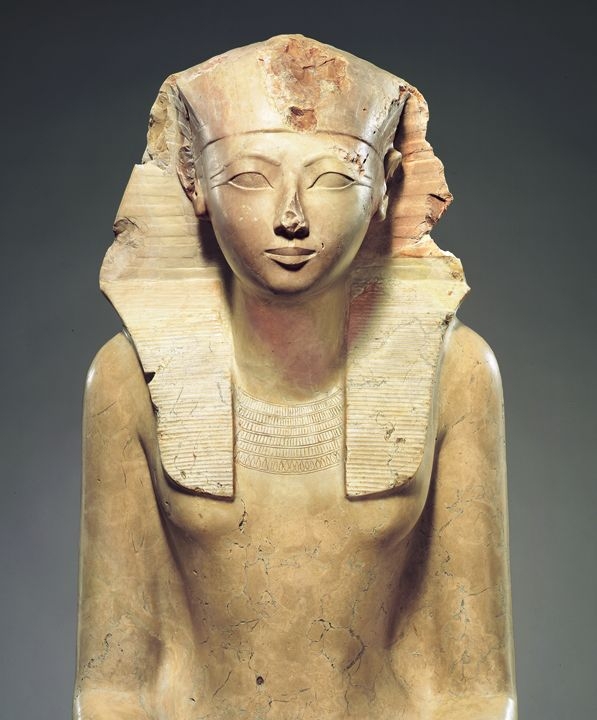
Who Was Queen Hatshepsut?
Hatshepsut was one of the most powerful and successful rulers of Ancient Egypt. She reigned during the 18th Dynasty (around 1479–1458 BC) and became one of the very few women in Egyptian history to rule as Pharaoh.
Unlike other royal women who ruled as regents, Hatshepsut declared herself full Pharaoh of Egypt, adopting royal titles and even traditional pharaonic imagery to legitimize her authority.
Her reign marked a period of stability, economic prosperity, and monumental architectural achievements — especially in Luxor.
Early Life & Rise to Power
Hatshepsut was the daughter of Pharaoh Thutmose I and became the wife of her half-brother Thutmose II. After his death, the throne technically passed to Thutmose III, who was still a child.
Initially acting as regent, Hatshepsut gradually consolidated power and declared herself Pharaoh. She presented her rule as divinely ordained, claiming direct descent from the god Amun to strengthen her legitimacy.
This political intelligence helped her rule Egypt peacefully for over 20 years.
Major Achievements of Queen Hatshepsut
1. Economic Expansion & Trade
One of her greatest achievements was reopening trade routes, especially the famous expedition to the Land of Punt. This brought:
- Gold
- Myrrh trees
- Ebony
- Exotic goods
Egypt flourished economically during her reign.
2. Monumental Architecture in Luxor
Hatshepsut invested heavily in temple construction and restoration projects across Egypt — especially in:
- Temple of Karnak
- Mortuary Temple of Hatshepsut
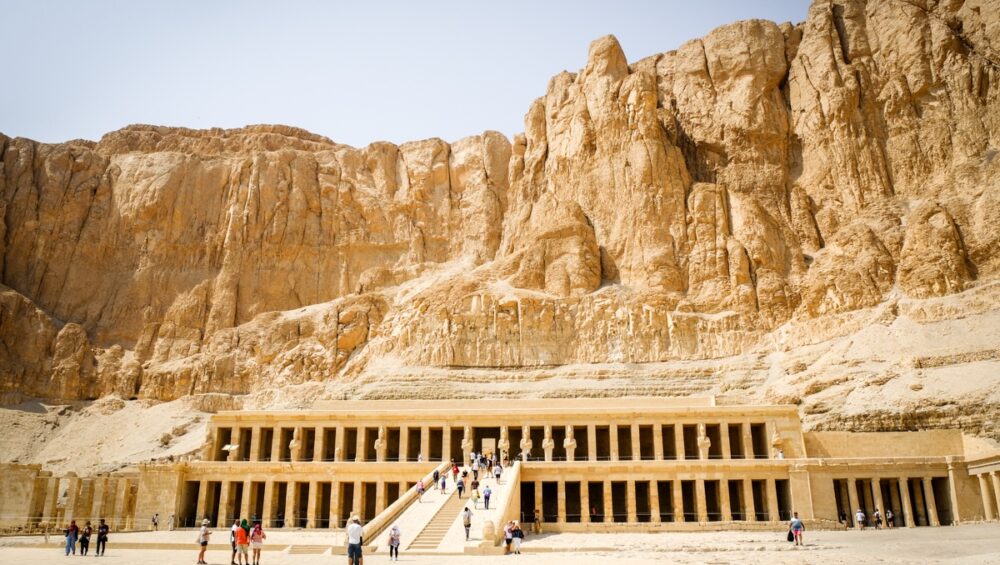
Her mortuary temple at Deir el-Bahari remains one of the most impressive monuments in Luxor today. Built against dramatic limestone cliffs, it reflects both architectural genius and political symbolism.
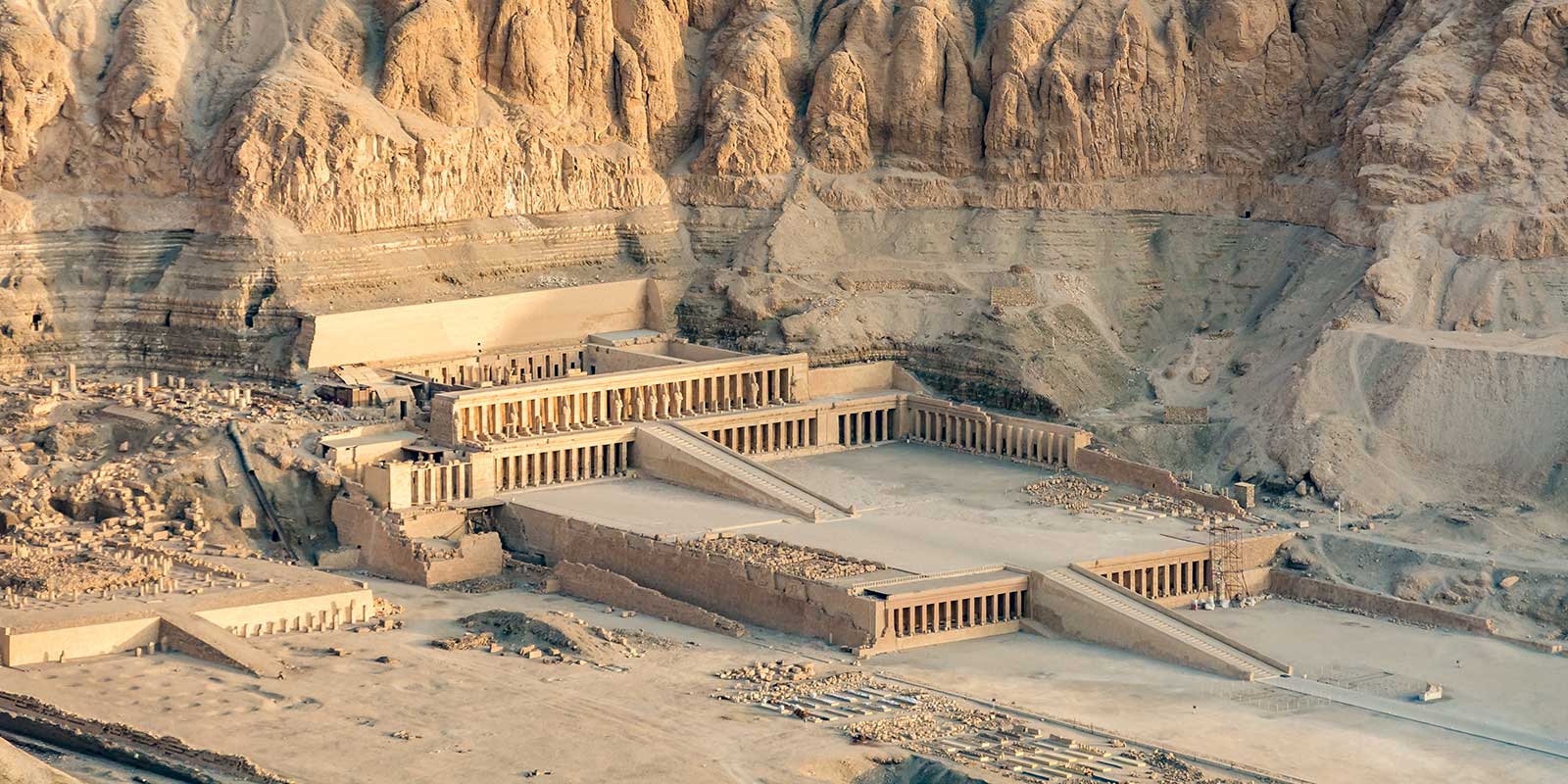
The Mortuary Temple of Hatshepsut (Deir el-Bahari)
Located on the West Bank of Luxor, the temple is considered one of the masterpieces of Ancient Egyptian architecture.
Why It’s Unique:
- Terraced design integrated into the cliff
- Colonnaded halls
- Relief scenes showing the Expedition to Punt
- Divine birth inscriptions legitimizing her rule
Today, the temple is one of the top attractions included in most West Bank tours.
Why Was Hatshepsut Erased from History?
After her death, many of her statues and images were destroyed or defaced — likely during the reign of Thutmose III.
Historians believe this may have been an attempt to restore traditional male kingship and remove the precedent of female rule.
Despite this, modern archaeology restored her legacy as one of Egypt’s greatest rulers.
Queen Hatshepsut’s Legacy
Hatshepsut’s reign is remembered as:
-
A time of peace, stability, and remarkable prosperity across Egypt
-
A golden age of monumental construction and architectural innovation
-
A powerful example of visionary female leadership in the ancient world
Her magnificent temple in Luxor continues to attract thousands of curious and inspired visitors each year.
Visiting Queen Hatshepsut’s Temple in Luxor
If you’re planning a trip to Luxor, the Mortuary Temple of Hatshepsut is a must-see highlight of the West Bank.
At Luxor Safe Tours, we provide:
- Private West Bank guided tours
- Comfortable air-conditioned transfers
- Expert Egyptologist guides
- Customizable itineraries
You can combine your visit to Hatshepsut’s Temple with:
- Valley of the Kings
- Colossi of Memnon
- Temple of Habu
Book your Luxor experience today and explore the legacy of Egypt’s most extraordinary female Pharaoh.